
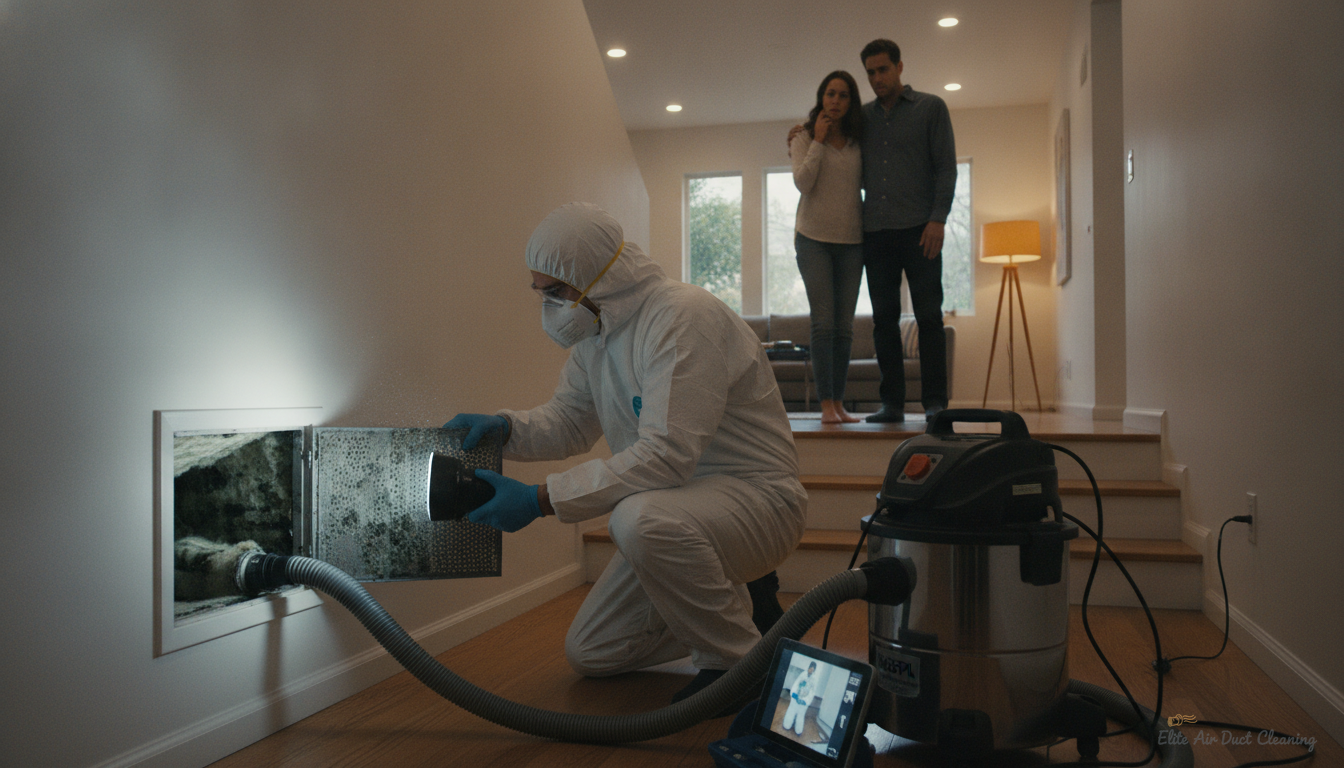
Mold in Ductwork: The Hidden Threat You Can't See
Of all the indoor air quality problems a Los Angeles homeowner can face, mold growth inside the HVAC duct system is among the most serious — and the most deceptive. Because your ducts are hidden inside walls, floors, and ceilings, mold can develop and spread for months before you ever notice a symptom. By the time there's a visible sign, the problem is usually well established. Understanding how mold gets into ducts, how to recognize the warning signs, and what a proper remediation process looks like can help you protect your family's health before the situation becomes severe.
How Does Mold Get Into Air Ducts?
Mold requires two things to grow: a food source (organic material like dust and debris) and moisture. Air ducts provide both, especially in the Los Angeles climate where humidity levels fluctuate significantly between coastal and inland neighborhoods. The most common pathways for mold to develop inside ductwork include:
- Condensation inside ducts: When cold air runs through ducts passing through warm attic or crawlspace environments, the temperature difference can create condensation on duct surfaces — particularly on improperly insulated flex duct.
- Water leaks near the air handler: A dripping condensate drain line, a slow roof leak, or plumbing that runs near the air handler can introduce moisture directly into the duct system.
- Flooding events: Properties in Long Beach and other areas that have experienced flooding or significant water intrusion are at elevated risk of mold developing inside lower duct runs.
- High indoor humidity: Coastal homes in Santa Monica or basement-level units throughout Los Angeles can maintain elevated indoor humidity that promotes microbial growth on duct liner surfaces.
Warning Signs of Mold in Your HVAC Duct System
Because mold inside ducts is not directly visible, you need to rely on secondary indicators. If you notice any of the following, it is worth scheduling a professional inspection right away:
- A persistent musty or earthy smell that appears or intensifies when the HVAC system turns on
- Dark spotting or staining visible around vent registers or on walls near supply vents
- Unexplained increases in allergy or respiratory symptoms — sneezing, coughing, itchy eyes, or asthma flare-ups — that are worse indoors than outdoors
- A history of water damage near the air handler, attic, or crawlspace
- Visible mold growth on the air handler cabinet or near return air intakes
None of these signs alone is definitive proof of mold inside the ducts, but each one warrants a closer look. The most reliable way to confirm mold presence inside your duct system is a professional camera inspection.
Why a Standard Air Duct Cleaning Isn't Enough for Mold
Standard air duct cleaning — even a thorough one — is designed to remove accumulated dust, debris, and particulate matter using vacuum suction and rotary brush agitation. It is not a substitute for targeted mold remediation. When mold is present on duct liner surfaces or inside the air handler cabinet, simply vacuuming debris from the duct run can dislodge and redistribute mold spores without eliminating the colonies growing on the duct surfaces themselves.
Proper mold remediation inside ductwork requires a specific sequence of steps: visual and camera-based assessment to document the extent of growth, HEPA-filtered extraction to safely capture mold debris without releasing spores into the living environment, and targeted antimicrobial treatment applied to affected surfaces to inhibit regrowth. Our air duct mold remediation service follows this process for every job — and we always show you what we find before beginning any work.
The Mold Remediation Process: What to Expect
When you contact Elite Air Duct Cleaning — Los Angeles about a potential mold problem, here is how our process works:
- Step 1 — Camera inspection: Our technicians insert a flexible video camera into your duct runs to assess the interior condition and document any visible mold growth, staining, or moisture damage. You see what we see. This is also part of our standard HVAC system inspection service.
- Step 2 — Assessment and communication: We walk you through our findings clearly and honestly, explain the extent of the remediation required, and answer your questions before any work begins. No pressure, no upselling.
- Step 3 — HEPA-filtered extraction: Using HEPA-equipped vacuums with specialized brush attachments, we remove mold colonies and contaminated debris from affected duct sections without releasing spores back into your home.
- Step 4 — Antimicrobial surface treatment: EPA-registered antimicrobial agents are applied to treated surfaces to inhibit regrowth. This step is critical — without it, mold can re-establish itself on surfaces even after physical removal.
- Step 5 — Follow-up sanitizing: We often recommend our air duct sanitizing and deodorizing service as a final step to treat the entire duct system and address any residual odors left by mold growth.
Addressing the Root Cause: Moisture Control After Remediation
Here is the important truth about mold remediation: if you don't address the underlying moisture source, mold can come back. After completing remediation, our technicians will advise you on the moisture-related conditions that contributed to the problem — whether that's a condensate drain issue, improperly insulated flex duct in a hot attic, or a humidity problem in a coastal property. In some cases, air duct repair and sealing is the right next step to correct improperly insulated or damaged duct sections that are prone to condensation.
For Los Angeles homes in neighborhoods like Hollywood, Glendale, and Burbank — where older housing stock sometimes includes original ductwork from the 1950s through the 1980s — addressing deteriorated insulation and damaged flex duct sections is often part of a comprehensive solution.
Don't Wait: Schedule a Mold Assessment Today
Mold inside your ductwork is not a problem that gets better on its own — it grows, spreads, and continues to circulate through your home with every HVAC cycle. If you have noticed any of the warning signs described above, or if your Los Angeles home has experienced water damage at any point, the smartest step you can take is to schedule a professional inspection.
Elite Air Duct Cleaning — Los Angeles serves homeowners, landlords, and property managers throughout the greater Los Angeles area — from Pasadena to Santa Monica and everywhere in between — seven days a week from 8 AM to 6 PM. Call us at +1 (213) 444-2145 or visit our air duct mold remediation service page to learn more and book your assessment today.
Questions about airduct in Los Angeles, CA? We're happy to help — no sales pressure.
Talk to a Local Pro
Call +12134442145 or fill out our online form for a free, no-obligation quote.
Request Free Quote